


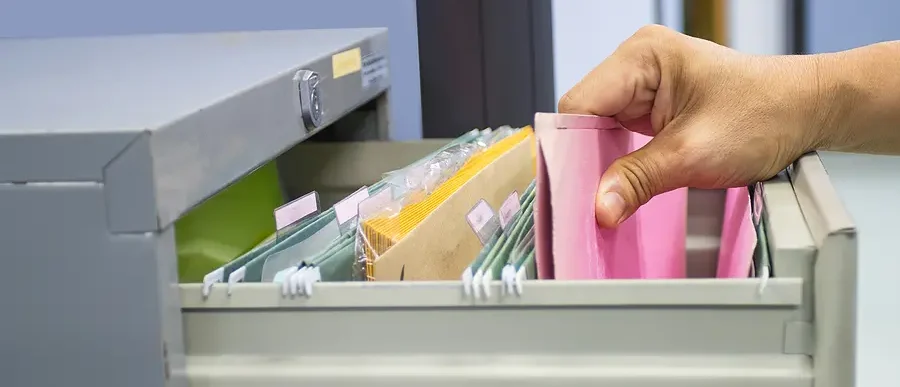
 Business records retention times are one of the most important parts of your records retention plan. Understanding how long you need to hold on to your documents and critical records can save you litigation headaches.
However, certain types of records have to be retained-sometimes for years past their useful life. That’s where a professional management company and offsite storage programs can help you. When you have records you won’t need to access regularly, you can store them offsite in a secure facility.
This article helps define what a Records Retention program is, and details all the different retention times for dozens of records for your company. Record Nations has been providing document management solutions for over a decade. Let us help you find the right document storage solution for your business.
What Is a Records Retention Program?
A records retention program provides for the systematic review, retention, and destruction of documents received or created in the course of business. A records retention program will identify documents and business records that need to be maintained and contain guidelines for how long certain documents should be kept and how they should be destroyed.
Why Create a Records Retention Program?
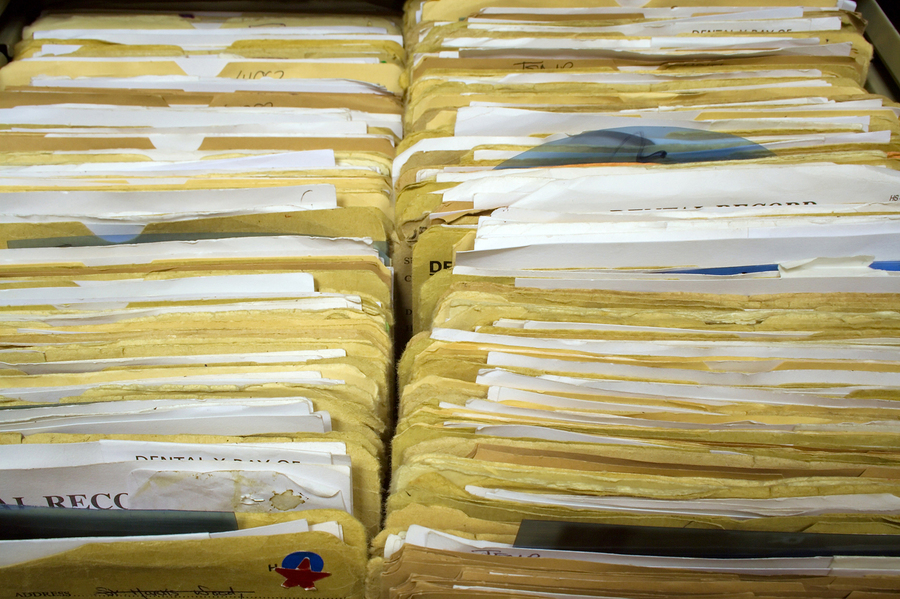 A record retention program is important for many reasons. Firstly, a records retention program can protect you in litigation and help ensure compliance with federal and state laws and regulations.
Evidence of a clear and consistently enforced records retention program, enacted for valid purposes, will go a long way to convince the court that the destruction of a document or business records was reasonable.
While it is important to clear out clutter, tossing the wrong paper or deleting an important e-mail can also have bad consequences. Not having a document can mean the difference between winning and losing in a lawsuit. If a litigant requests a document that you cannot provide because it has been destroyed, then a judge or jury may be permitted to conclude that the document contained information detrimental to your position.
What Concerns Should Be Weighed?
 How long to keep a document, when and how to store the document, and how to dispose of the document, will depend on the type of document. The four principles to balance when creating a records retention program are:
1) Is there a legal requirement for keeping the document? These include federal, state, and local reporting, regulations, and laws. You also need to consider industry guidelines.
2) After the document is past its useful life, what other purpose could it serve? Could it be used to support or oppose a position in an investigation or litigation?
3) What is the consequence of not being able to locate the document? If the item was mentioned in a lawsuit, and then suddenly destroyed, the presumption will be that the destruction was accomplished deliberately.
4) Can the item be reliably reproduced elsewhere if needed? Is the information available from the public library, an online source, a database, or company central files?
How Do I Implement a Records Retention Program?
Once you have created your records retention program you need to communicate these records storage solutions with everyone in your company. The consequences of even one employee not following your records storage solutions program can be the difference between winning a losing a lawsuit or being in violation of privacy laws. Place the guidelines in your employee handbook and cover it every year with any changes.
How Do I Store the Records?
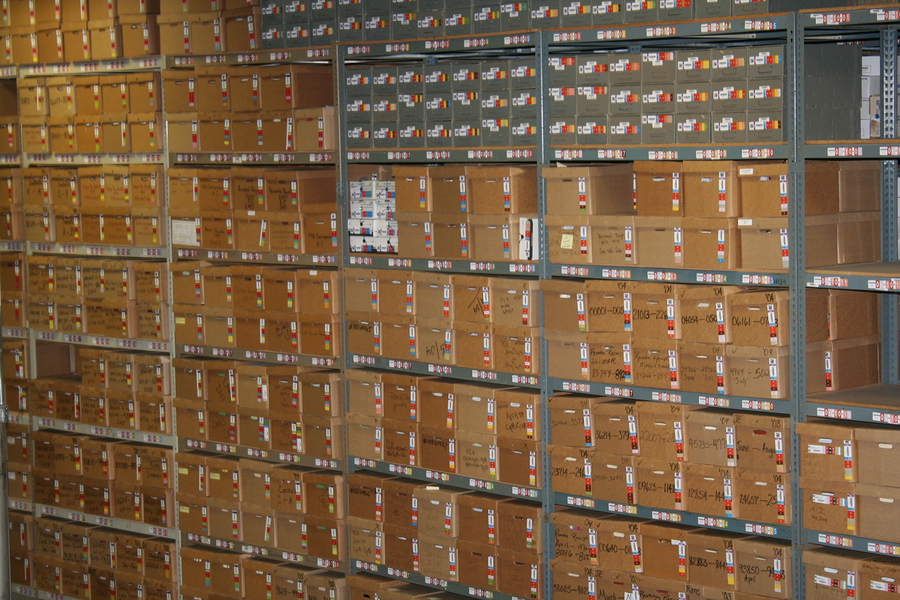 The records should be stored in a secure location that is climate-controlled and also has a fire suppression system. Many companies find the cost of creating a storage area to be cost-prohibitive.
, so your attorney should record backup services. They can provide secure storage and record backup services and even help you index your files for easy retrieval.
Record Retention Times
To get you started, here are some basic guidelines for the length to maintain your records. Laws vary by state so you should have your attorney review your program once it is completed.
|
|
Type of Record |
Retention Period (Years) |
| Articles of incorporation | Permanent |
| Bylaws | Permanent |
| Capital stock and bond records | Permanent |
| Contracts & agreements (government construction, partnership, employment, labor) | Permanent |
| Legal correspondence | Permanent |
| Minutes | Permanent |

|
|
|
Type of Record |
Retention Period (Years) |
| Auditors’ reports | Permanent |
| Bank debt deduction | 7 |
| Bank deposit slips, reconciliations, statements | 4 |
| Bills of lading | 4 |
| Budgets | 2 |
| Checks – cancelled | 4 |
| Contracts – purchase and sales | 4* |
| Credit memos | 4 |
| Depreciation records | 4* |
| Employee expense reports | 4 |
| Employee payroll records (W-2, W-4, annual earnings records, etc.) | 6* |
| Financial statements — annual | Permanent |
| Financial statements — interim | 4 |
| Freight bills | 4 |
| Internal reports (Work orders, sales reports, production reports) | 4 |
| Inventory lists | 4 |
| Invoices – Sales and cash register receipts, merchandise purchases | 4 |
| Invoices — purchases (permanent assets) | 4* |
| General ledger | Permanent |
| General, cash receipts, cash disbursement, and purchase journals. | Permanent |
| Payroll journal | 4 |
| Petty cash vouchers | 4 |
| Subsidiary ledgers (accounts receivable, accounts payable, etc.) | 6 |
| Time cards and daily time reports | 4 |
| Worthless securities | 7 |

|
|
|
Type of Record |
Retention Period (Years) |
| Personnel Accident Report/Injury Claim | 11 |
| Attendance Records | 4 |
| COBRA Records | 3 |
| Employee Benefit Plans | 2* |
| I-9 Forms | 1* |
| Medical and Exposure Records – related to toxic substances | 40 |
| OSHA Training Documentation | 3 |
| OSHA Logs | 6 |
| Patents | Permanent |
| Personnel files | 6* |
| * Retention periods begin after termination, | |

|
|
|
Type of Record |
Retention Period (Years) |
| Patents | Permanent |
| Copyrights | Permanent |
| Trademarks | Permanent |
| Servicemarks | Permanent |

|
|
|
Type of Record |
Retention Period (Years) |
| Accident reports | 6 |
| Fire inspection reports | 6 |
| Group disability records | 6 |
| Insurance policies | 6 * |
| Safety records | 6 |
| Settled insurance claims | 4 * |
| * Retention periods begin after termination, expiration, disposal, etc. of item. | |

|
|
|
Type of Record |
Retention Period (Years) |
| Mortgages | 6 years |
| Contracts | 6 years |
| Deeds | Permanent |

|
|
|
Type of Record |
Retention Period (Years) |
| Actuarial reports | Permanent |
| Associated ledgers and journals | Permanent |
| Financial statements | Permanent |
| IRS approval letter | Permanent |
| Plan and trust agreement | Permanent |

Keep Up With Your Business’s Records Retention With Record Nations
No matter what type of business or industry you’re in, Record Nations will help you keep up with your retention requirements. Just give us a call at (866) 385-3706, fill out the form, or use our live chat. We will connect you with one of our experts who will help you find the best solution.