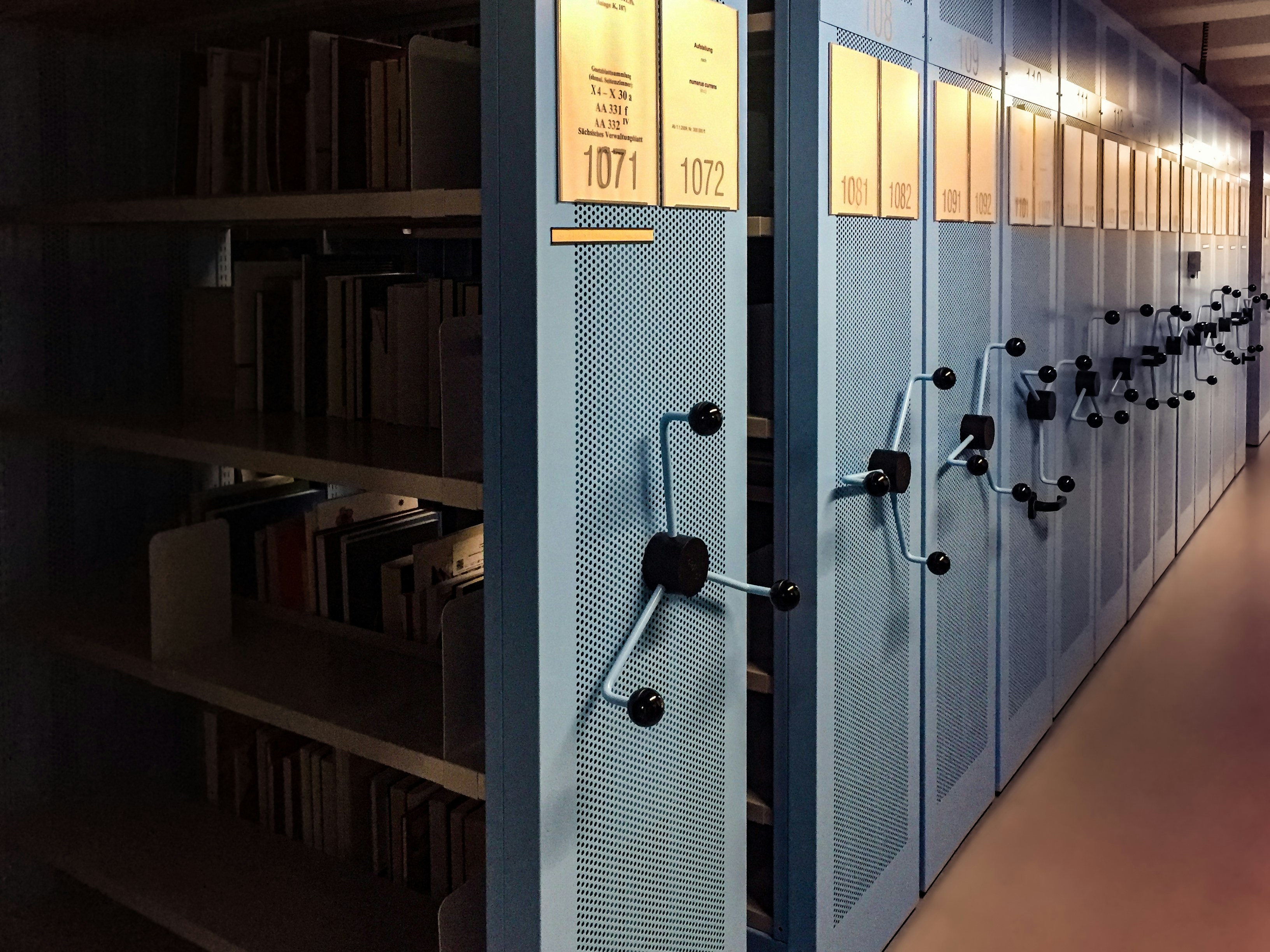
Every company has certain documents that they need to hold on to for a significant amount of time. It could be that they’re highly confidential and need to be secured, or just personnel or tax records that need to be retained to make sure you comply with federal and state regulations. Archiving documents can help declutter space while also maintaining proper custody and abiding by retention requirements.
Just because you have to hang on to records doesn’t mean that you necessarily have to store them on site in your office. In fact, you probably run a greater risk of a data breach in your office than if you store your records offsite. Archiving your documents after they reach a certain point in your document management plan will give you the ability to improve your efficiency, reduce the amount of hard-copy documents you have on-site, and give you the ability to protect your company from litigation and natural disasters.
In this post, we’ll help you understand the importance of archiving your documents and business files. Let’s dive into some of the reasons it’s a good idea to have a plan once your documents reach the end of their practical use.
Types of Records and Documents to Retain Long-Term
One of the biggest questions on long-term records storage is figuring out which documents, files, or records you need to consider holding onto long-term. Our list includes some of most common documents and/or records that you should archive, as well as what you should retain permanently.
By no means is this a comprehensive list, since regulatory, governmental, and company requirements vary greatly. But it does include some of the ‘must haves’ for archival purposes. Records retention requirements are also different from state to state. Make sure to review the Internal Revenue Service’s (IRS) guidance alongside any local, state, and industry requirements that may apply to you.
Business Documents
These records are everything that you use to start and maintain a business. This includes any contracts that your businesses entered into from its inception. Minutes of corporate or executive meetings can come in handy in case your company is involved in employee litigation- and legal correspondence can help keep your company out of trouble. Types of business records that you need to keep indefinitely include:
- Articles of incorporation
- Bylaws
- Capital stock and bond records
- Contracts and agreements (government construction, partnership, employment, labor)
- Legal Correspondence
- Minutes

Financial Documents
Whether you’re a privately held or publicly held company, keeping detailed information on your financial records will ensure that you have all information on hand in case of an audit, or any questions about contracts, inventory, checks, employee payroll, and more. However, don’t just be meticulous about maintaining financial documents- be sure to keep them organized for month and year and the type of financial documents you need to retain. Keep a long-term archive of these types of financial records:
- Auditors’ Reports
- Financial Statements- annual
- General ledger
- General, cash receipts, cash disbursement, and purchase journals
Personnel Documents
Personnel records and other human resources documentation come in handy when you need supporting evidence for unemployment claims, or if there is an accident resulting in an injury onsite when filing a claim. It’s also important to keep meticulous records of any OSHA Training, Violations, and Corrections in case of a surprise OSHA safety inspection. Here are two personnel records that you need to maintain permanently:
- Personnel Accident Report/Injury Claim (11 years)
- Medical and Exposure Records – related to toxic substances (40 years)
*Note- most personnel documents don’t need to be held long-term- but the retention periods for several common employee records (benefit plans, I-9 forms, personnel files, etc.) begin after the employee is terminated from employment at your company.
Inventions and Copyrights
Intellectual property and proprietary information and processes can make or break a company. You need to maintain this type of documentation in perpetuity to ensure you protect your company’s confidential information.
These items are usually some of the most protected assets in any company- just one breach of a patent that’s in progress could cost a company millions. These documents and data include:
- Patents
- Copyrights
- Trademarks
- Servicemarks

Real Estate Documents
Whether you have one location or multiple locations, you should hold onto all information that’s pertinent to all property and buildings that you own, rent, or sell, including mortgages, contracts, and deeds. Although it’s recommended to only hold on to deeds permanently, it’s probably a good idea to hold on to any real estate records until well after the retention time passes.
Pension/Profit Sharing Documents
Businesses should retain any pension and profit-sharing documentation and records forever. Pensions for former employees usually last lifetimes- losing or destroying this information can cost the company millions. These are just a few of the reports, ledgers, journals, and statements you need to maintain permanently:
- Actuarial reports
- Associated ledgers and journals
- Financial statements
- IRS approval letter
- Plan and trust agreement
Use an Offsite Document Storage Facility to Archive Documents
As you can see, dozens of documents need to be maintained permanently, and several dozen more need to be retained for 4-10 years. Finding a place for these records in an office can be difficult. That’s where secure offsite document storage facilities come in handy.
Set up a system that allows you to flag files that are older and ready to store, and then hire a document management company to take care of the files you need to access occasionally but retain long-term.
The benefits of using offsite storage include security features that go beyond what you can provide by keeping records in-house. Storing physical documents requires access to special filing rooms with environmental controls to ensure their preservation. Vital records are normally kept safe in disaster-resistant vaults to protect against natural disasters. If you don’t have these facilities onsite, professional storage providers offer secure pick-up, delivery, and even emergency services if you need a file quickly.
You can also digitize your documents and store them in a cloud-based system. This will eliminate your hard-copy documents, creating digital versions that can be accessed from anywhere with document indexing so retrieval is fast and simple.
The Consequences of Bad Recordkeeping
Many consequences can arise because of bad recordkeeping. Not keeping good records can result in businesses exhausting the budget and spending more than is coming in. Consequently, this can result in problems with suppliers, payroll, utilities, and more. The brand recognition and the reputation of the business can become tarnished if any problems arise, especially when it comes to payroll. Moreover, failure to pay employees can also result in legal consequences.
All businesses, big or small, can benefit from making regular improvements to their recordkeeping practices. When you make archiving documents a part of those practices, your business can meet compliance standards more easily by ensuring data integrity and availability.
Archive Documents Offsite With Record Nations
Record Nations’ nationwide network of professionals have been providing document management solutions for more than two decades. Whether you’re part of Boise’s local government or Miami’s legal industry, our experts can help you archive documents with offsite document storage. We’re also ready to support any other phase of your document management, including digitization, cloud migration, and document destruction.
We can help you find the right solution for your business. To get started, fill out our contact form or give us a call at (866) 385-3706. Within minutes, you’ll have several companies in your area to choose from.