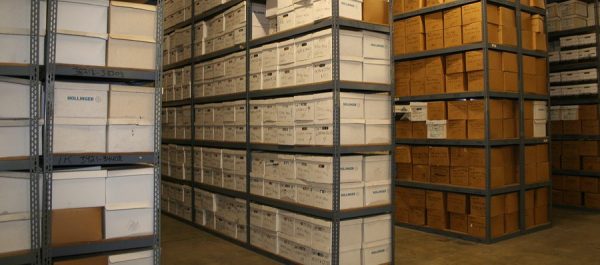



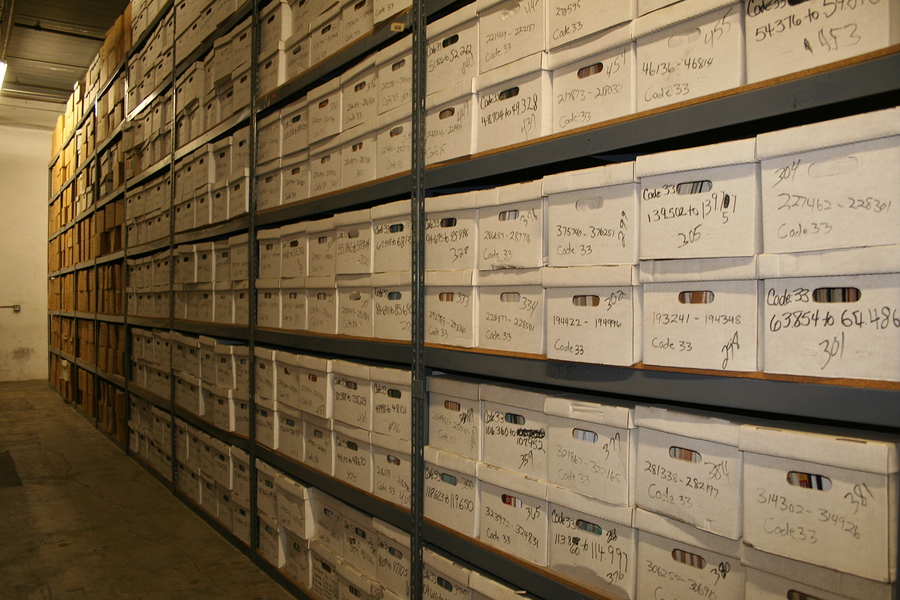
Every organization must address objectives that add value to achieving its goals, including the systematic management of records. Records management refers to the applied practice of controlling and overseeing important records of an organization.
A successful records management program identifies, classifies, prioritizes, stores, secures, archives, preserves, retrieves, tracks, and disposes of records efficiently. From start to finish, records management equips organizations with the resources to meet their objectives.
Records management offers several advantages for organizations. If structured appropriately, a records management program contributes to the smooth operation of an organization’s programs. It helps consistently deliver services, facilitates effective performance of activities, and protects the rights of the organization and its employees.
In the event of a natural disaster, an efficient records management program and disaster recovery plan helps ensure continuity of the organization’s operations. It also protects records from unauthorized access and provides protection and support in litigation cases. In most cases, records management improves office efficiency and productivity, especially in offices that store physical records.
Basics of Physical Records Management
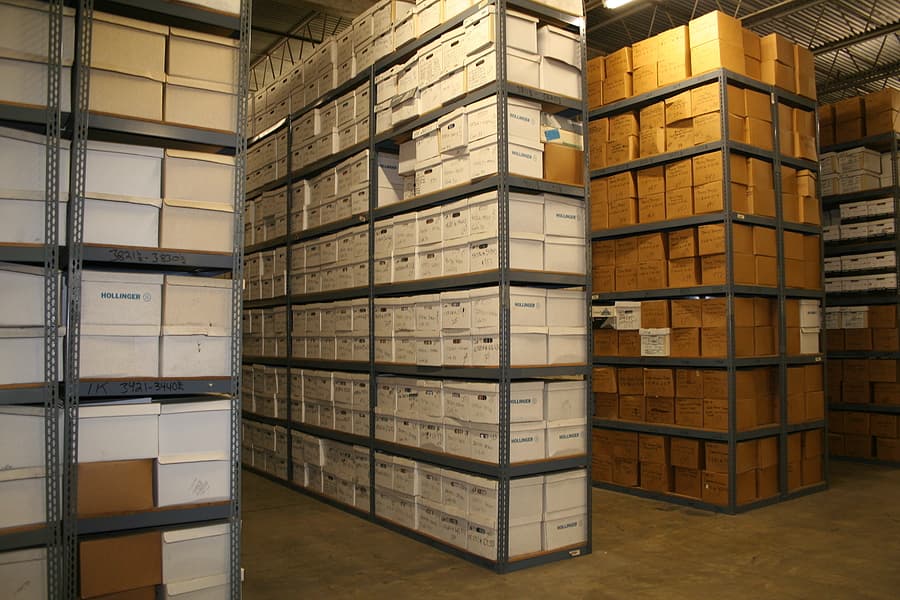
Managing physical records requires different actions than their electronic counterparts. Organizations may need to assemble a records management team equipped with the skills to handle physical records.
The first step in managing physical records involves the process of identifying and authenticating, usually via filing and retrieval. Identifying and authenticating records may involve examining a document or artifact to ensure its legitimacy.
Storing physical records requires access to special filing rooms with environmental controls to ensure their preservation. Vital records are normally kept safe in disaster-resistant vaults to protect against natural disasters. Many organizations choose off-site facilities to store physical records.
The retrieval of physical records depends on the capabilities of the organization to tag, classify, sort, and file records adequately. When a physical record leaves its normal storage area, an organization may use tracking methods to ensure authorized movement of the record. This may be done using barcode scanners or radio frequency identification technology.
The disposal of physical records should start with the adherence to law, statutes, regulations, and operating procedures. The destruction of any physical records should be well-documented, with approval given at the highest level. Most organizations use paper shredding processes to destroy physical records.
Basics of Electronic Records Management

The general principles of records management also apply to electronic records. Electronic records management has received attention, with an emphasis on identifying, authenticating, storing, retrieving, tracking, and securely disposing of the records.
Many organizations have raised concerns over the security of electronic records without a physical backup. At the rate that technology continues to change, many organizations fear that electronic records will become obsolete with software updates. Electronic formats also tend to be more vulnerable to security breaches.
However, in the current and ever-changing world, digitizing will never go away. Businesses need to implement and maintain their digital systems so they can accommodate their remote workers and keep up with their competition. Teams can collaborate and achieve their goals faster than ever with cloud storage or DMS software. There are additional features you can add to ease your mind of security threats, such as encryption and access controls.
Proper Records Management is Now a Necessity
Emerging efforts to make records management more reliable under new compliance regulations and statutes have renewed corporate interest. In previous years, keeping corporate records was poorly implemented. As a result, scandals and mishaps occurred, leaving many corporations searching for solutions.
Records managers have also raised concerns over growing cases of privacy intrusion, data breaches, and identity theft. With the right records management protocol, corporations can implement and secure information from these threats while still maintaining the records life cycle.
Record Nations Connects You With Records Management Providers
Learn more about our nationwide network of records storage, document scanning, and other document management service providers by filling out the form, using the live chat, or giving us a call at (866) 385-3706. Within minutes of receiving your request, you will have free quotes from experts in your area who can help you.