Companies and organizations need to have an effective plan for organizing and managing their documents. However, it’s just as critical for a document management plan to consider how to store and destroy records. Document storage and shredding helps businesses maintain effective security for their sensitive information throughout its life cycle.
Threats like data breaches wreak havoc on workflow and infrastructure. A document management plan needs to keep things working smoothly. Security for documents from their creation to the final moment of their destruction is crucially important.
Businesses need to incorporate secure document storage and document shredding processes into the larger scope of document management, no matter what type of system they adopt. They ensure that while document inventories grow and are added to over time, the risks of the stored company information being stolen aren’t similarly increasing.
What Typical Document Management Plans Include
To maintain an efficient and organized workflow, all companies need to have well-established processes in place. They need to manage the thousands of documents businesses create, use, store, and eventually dispose of.
One of the largest contributors to data breach incidents stems from human error while handling and disposing of records. By integrating document management plans, however, companies can significantly reduce this risk for their documents by developing better ways to track their information.
Typically, there are seven main components to strong document management plans:
- Taking a complete inventory of all company documents
- Determining who is responsible for managing the process
- Developing a document retention policy
- Evaluating the best method for storing and managing records
- Establishing proper document management procedures
- Integrating a disaster recovery plan
- Implementing a document retention and destruction policy for unnecessary files that have passed retention periods
Having a well-maintained program for managing records is essential for ensuring the security of documents when they’re still in use. Proper document shredding also plays a critical role in the documents’ security. Old and discarded documents pose just as much a risk for data breaches as do active files.

Integrating document shredding processes as the final piece to the document management puzzle is one of the best ways businesses can ensure sensitive or proprietary information remains protected throughout the entirety of its life cycle.
With the costly fines and liabilities associated with data breaches as additional considerations to keep in mind, it’s more important than ever for business owners to emphasize proper document destruction.
By taking preventative steps to ensure documents are properly destroyed once it’s no longer needed, companies can feel more assured their sensitive information won’t jeopardize their business.
Document Storage and Shredding Strategies
Whether you decide to digitize your records with professional document scanning or stick with physical records, storage is a key component of document management. Today’s market offers physical and digital storage providers to choose from. Cloud storage and DMS software are common options for electronic management, and off-site storage exists for hard-copy records.
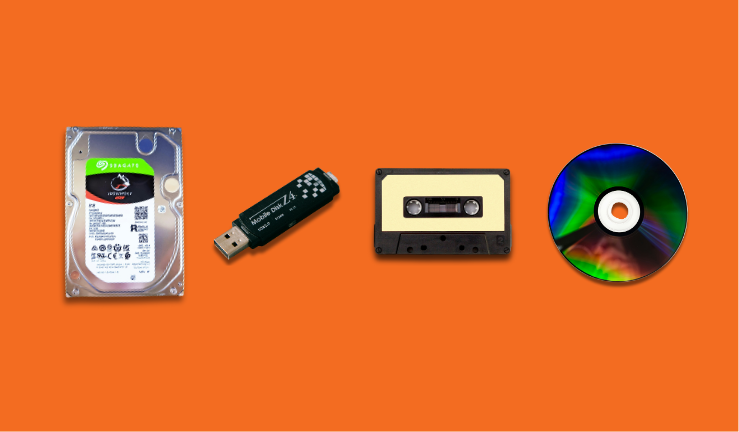
Companies have a variety of document shredding options to choose from as well. Options often include document destruction and and electronic media shredding services for devices like hard drives that are ready to be retired. Many of these services can be implemented on an ongoing basis or for an information purge. They also have flexible pricing options to best meet the budgetary needs.
Here are just a few of the ways strategies for document storage and shredding services are often implemented in document management plans.
Storage and Shredding After Scanning
With the capabilities digital technologies have shown for boosting workplace productivity, an increasing number of companies are adopting electronic options for managing their documents and files.
Companies can integrate with document management systems (DMS) or cloud storage. Then, after scanning an entire record inventory, there’s a large number of documents to destroy.

Furthermore, when new paper documents are created, businesses use day-forward scanning to take these paper documents and immediately add their electronic copies to the existing records inventory.
Like making the initial transition to electronic document management systems, day-forward scanning creates a daily stream of unnecessary documents. This is where document destruction comes into the document management process.
Each time a new document is scanned into the system, the old paper document is then shredded to clear paper clutter. Additionally, it eliminates any risks of compromising a duplicate file.
Whether it’s by setting up an ongoing document destruction service for day-forward scanning or scheduling to destroy a recently scanned document inventory, companies can maintain their security throughout their life cycle while still efficiently managing their records.
Document Shredding for Files Stored Off-Site
Another common application for document shredding in management plans is when companies store and archive hard-copy documents out of consideration for document retention laws and guidelines.
From contracts and administrative paperwork to legal documents and financial records, companies need to keep these for years. However, when inactive or old records pass their retention period, they enter the final step in the document management plan: shredding.
When companies use off-site storage, a primary reason for destroying these now unnecessary records is the fact that every foot of office space costs money. Using document shredding services helps to cut storage costs.

Aside from more practical reasons, old records stored off-site also need document shredding for the additional security risks they pose.
Keeping unnecessary documents past their retention periods does nothing more than boost the chances for a leaked piece of sensitive information to come back and bite the company. When it comes to storing old documents off-site, businesses generally stick to a “once you’re done with it, shred it” policy.
Improve Your Document Management With Storage and Shredding
Whether developing a new plan or revising an existing document management plan, it’s important to consider every step in the document life cycle—including its eventual destruction.
At Record Nations, we partner with a nationwide network of document storage and shredding services. Our secure service providers help companies integrate effective document management plans for both maintaining efficient workflow for records and keeping confidential information secure.
For more information on document storage and shredding, just give us a call at (866) 385-3706, use the live chat, or fill out our contact form. You’ll get a list of free and competitive quotes from providers near you.