Businesses rely on fast access to records, digital systems, customer files, and operational data every day. But severe weather, cyberattacks, fires, flooding, power outages, and human error can interrupt operations with little warning. Even a short disruption can create expensive delays, compliance concerns, damaged customer trust, and permanent records loss. For organizations that manage sensitive files, the risks can become even more serious.
A disaster recovery plan gives businesses a structured way to restore operations, recover records, and reduce downtime after an unexpected event. Whether the disruption affects paper files, cloud platforms, physical storage facilities, or digital systems, disaster recovery planning helps organizations respond faster and recover more efficiently. Modern disaster recovery planning has also expanded beyond traditional natural disasters. Businesses now need strategies that address remote work, digital transformation, ransomware threats, and long-term operational disruptions.
This guide explains what a disaster recovery plan is, what its purpose is, and why disaster recovery is important for organizations of all sizes.
What Is a Disaster Recovery Plan?
A disaster recovery plan, often called a DRP, is a documented strategy that outlines how a business will restore operations, records, systems, and critical information after a disruptive event. The purpose of a disaster recovery plan is to help organizations minimize downtime, reduce confusion during emergencies, and restore access to important information as quickly as possible.
Disaster recovery plans may address both physical and digital risks, including:
- Severe weather
- Fires and smoke damage
- Floods and water damage
- Earthquakes and structural damage
- Cybersecurity incidents
- Power outages
- Hardware failures
- Human error
- Theft or vandalism
- Damage to paper records and archives
- Long-term operational disruptions
Businesses often combine disaster recovery planning with broader business continuity and secure records management strategies.

What Is the Purpose of a Disaster Recovery Plan?
The main purpose of disaster recovery planning is to help businesses restore access to systems, records, and operations after a disruption. Without a documented plan, organizations may struggle to determine which records are most critical, where backup files are stored, how employees should communicate during outages, how to recover customer information securely, and how to resume operations quickly.
A disaster recovery plan benefits any business by creating a framework for responding to disasters and unexpected events before they occur. For example, a healthcare provider may prioritize restoring patient records and scheduling systems, while a law firm may focus on recovering confidential legal files and archived case records.
Organizations also use disaster recovery planning to support broader data protection strategy goals, improve secure document management practices, and maintain access to sensitive information during emergencies.
Common Disasters That Affect Business Records
Many organizations associate disaster recovery planning with large-scale emergencies, but smaller disruptions can be just as damaging.
Severe Weather
Different regions of the United States face different weather-related risks. Businesses along the Atlantic and Gulf coasts may experience hurricanes and flooding, while companies in the Midwest often face tornadoes, severe storms, and blizzards. These events can damage buildings, interrupt power, and destroy records stored onsite.
Even when facilities survive severe weather, paper records may still be damaged by humidity, water exposure, smoke, or debris. The Federal Emergency Management Agency (FEMA) encourages organizations to establish continuity and recovery procedures before emergencies occur.
Fires and Smoke Damage
Fires remain one of the most destructive threats to physical records. According to the U.S. Fire Administration, non-residential fires cause billions of dollars in property damage each year. Even if documents survive the initial fire, water, smoke, and suppression chemicals can still damage records and equipment. Some organizations reduce these risks through climate-controlled storage, secure offsite records management, and digital backups.

Floods and Water Damage
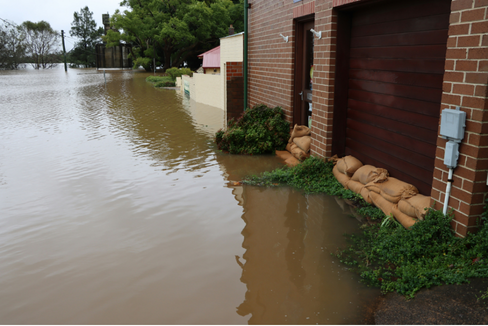
Water damage can quickly warp documents, destroy paper files, and create mold issues that make records unusable. Flooding may result from hurricanes, severe storms, plumbing failures, or roof leaks. Many businesses improve disaster readiness by digitizing records and storing backups offsite.
Earthquakes and Structural Damage
Earthquakes can damage offices, storage facilities, and infrastructure with little warning. Organizations located in earthquake-prone regions often rely on cloud storage platforms and offsite backup systems to reduce the risk of permanent records loss.
Long-Term Operational Disruptions
Many businesses updated their disaster recovery planning after the COVID-19 pandemic exposed operational weaknesses. Organizations that relied heavily on paper files or in-office systems often struggled to maintain access to records during remote work transitions. Businesses that had already digitized records and adopted cloud-based systems were generally able to continue operations more efficiently. Today, many organizations use disaster recovery planning to support flexible work environments and improve long-term operational resilience.
Disaster Recovery Plans vs. Data Breach Response Plans
Disaster recovery planning and data breach response planning are closely related, but they serve different purposes.
A disaster recovery plan focuses on restoring operations, records, and systems after a disruption.
A data breach response plan focuses on identifying, containing, investigating, and reporting cybersecurity incidents involving unauthorized access to information.
For example:
- A flood damaging a records storage facility would require disaster recovery procedures.
- A ransomware attack exposing customer information would require both recovery efforts and a breach response process.
Many organizations maintain separate plans for disaster recovery, business continuity, and cybersecurity incident response as part of a broader data security strategy. The National Institute of Standards and Technology (NIST) provides cybersecurity and continuity planning guidance for organizations managing sensitive information.

How Businesses Improve Disaster Recovery Readiness
Disaster recovery planning often involves more than backups alone. Many businesses also combine physical records protection with secure cloud environments to improve accessibility during emergencies.
Industries such as healthcare, legal services, education, finance, and government often require additional safeguards related to compliance, retention requirements, and records accessibility. Businesses operating across multiple locations may also use regional storage and recovery services to reduce localized risks.
Why Disaster Recovery Planning Matters
Organizations cannot always prevent disasters, but preparation can significantly reduce operational disruption. Disaster recovery planning helps businesses:
- Restore operations more efficiently
- Protect sensitive records
- Reduce downtime
- Maintain access to important information
- Improve operational resilience
- Support secure records and information management
As businesses continue shifting toward digital operations and hybrid work environments, disaster recovery planning has become an increasingly important part of long-term information management strategy.
How Record Nations Can Help
Record Nations connects businesses with secure document and data management providers across the U.S. and Canada. Through our nationwide network, organizations from Phoenix to Miami can find services that support disaster recovery planning, including secure document storage, document scanning and digitization, cloud storage solutions, and offsite records management.
Our network providers help businesses protect physical and digital records while improving long-term records accessibility and operational continuity. To learn more, call us at (866) 385-3706 or fill out our contact form to request free, customized quotes online today.