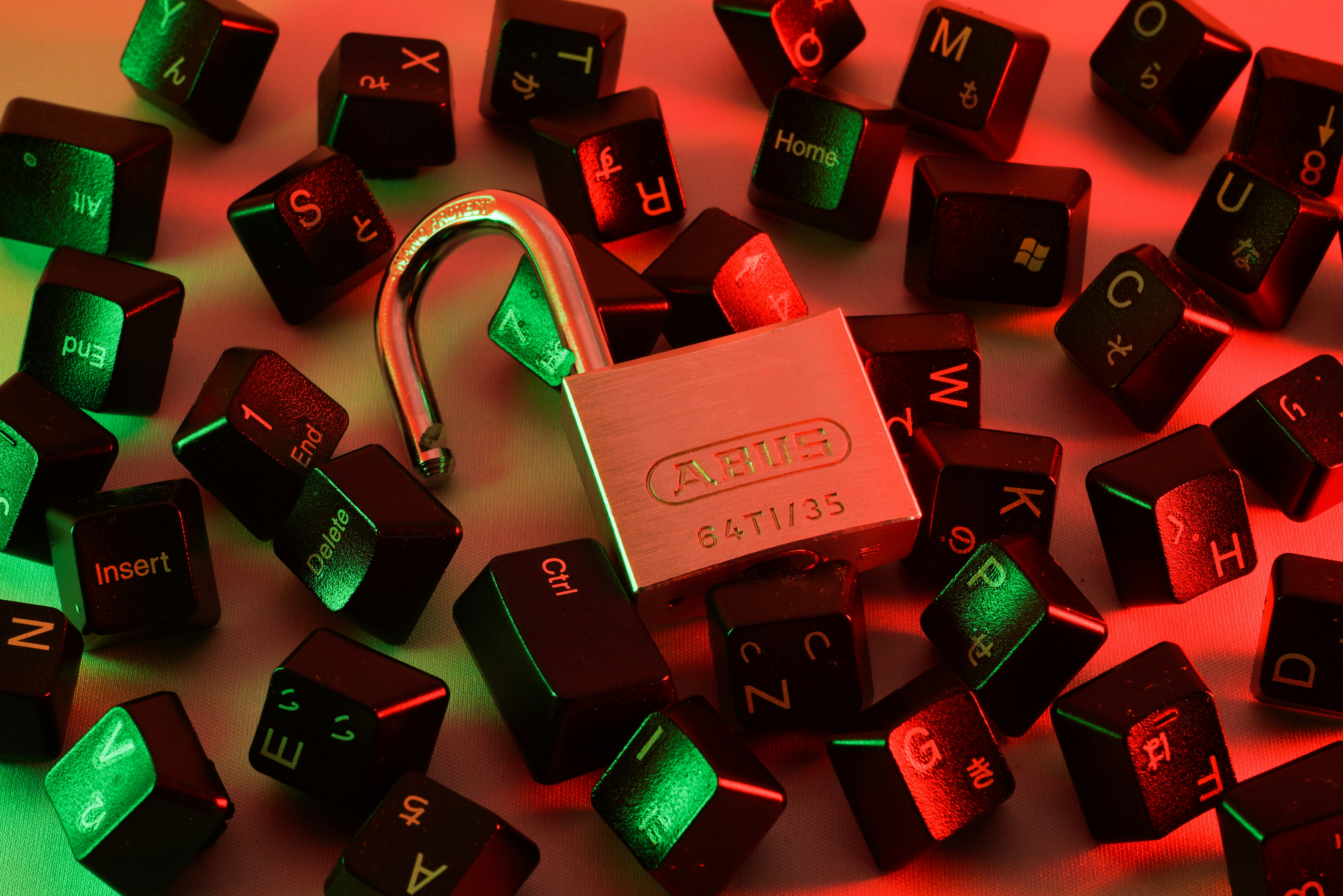



Businesses and individuals manage more sensitive information today than ever before. Financial records, healthcare documents, legal files, employee records, customer information, and operational data now move across physical storage systems, cloud platforms, email environments, and mobile devices every day.
As records become more distributed, organizations face growing security risks from theft, unauthorized access, accidental exposure, cyberattacks, and operational disruptions. Protecting records now requires more than locking filing cabinets or installing antivirus software. Effective records management security combines multiple layers of protection working together. Strong security strategies often include physical security measures, digital security tools, access control systems, employee security awareness, and broader compliance frameworks that help organizations manage sensitive information safely.
This guide explains the different types of security used in records management and how businesses improve secure document management practices across both physical and digital environments.
Why Security Matters in Records Management
Records management security is about protecting information throughout its entire lifecycle — from creation and storage to access, sharing, retention, and disposal. Organizations that fail to secure records properly may face:
- unauthorized access
- identity theft
- compliance violations
- operational disruption
- reputational damage
- financial losses
This becomes especially important for businesses handling healthcare records, financial documents, legal files, employee information, and customer data. Strong document security solutions help organizations reduce these risks while improving accessibility and operational efficiency.

Physical Security in Records Management
Physical security focuses on protecting paper records, storage facilities, devices, and infrastructure from theft, damage, or unauthorized access. Although many businesses continue digitizing records, physical documents still remain common in industries such as healthcare, legal services, education, finance, and government.
Physical security measures may include locked storage areas, surveillance systems, alarm systems, visitor management procedures, climate-controlled storage, and restricted facility access. Organizations storing records onsite often use locked filing systems and secure storage rooms to limit access to sensitive information. Businesses managing large volumes of records may also rely on secure offsite storage facilities with controlled access systems and chain-of-custody procedures.
Environmental Protection Is Also Physical Security
Physical security is not only about preventing theft. Businesses must also protect records from environmental threats such as flooding, fires, humidity, mold, and natural disasters. Organizations often combine secure storage with disaster recovery planning to improve long-term records protection.
Digital Security for Records Management
Digital security focuses on protecting electronic records, cloud storage systems, databases, devices, and networks from unauthorized access or cyberattacks. As organizations move records into digital systems, cybersecurity has become a major part of secure records management.
Digital security measures often include encryption, firewalls, secure cloud storage, backup systems, antivirus software, and network monitoring. Organizations that manage digital records securely are often better prepared to reduce breach risks, support compliance efforts, improve disaster recovery readiness, and maintain operational continuity.
Backup Systems Are Part of Digital Security
Secure backups remain one of the most important digital security tools available. Businesses often use cloud backups, encrypted archives, backup tape storage, and redundant storage systems to help protect records from ransomware, accidental deletion, or operational disruption.

Access Control Systems and Internal Security
One of the most important types of security in records management involves controlling who can access information. Many security incidents happen internally through excessive permissions, compromised employee accounts, accidental exposure, or improper records handling. Access control systems help organizations limit information exposure based on user roles and operational responsibilities.
For example, an HR employee may need access to personnel records but not financial statements, while accounting personnel may require access to payroll systems without viewing healthcare records. Role-based access controls help businesses reduce insider threats, improve audit visibility, and limit unnecessary access to sensitive information.
Audit Trails Improve Document Security
Many document management systems include audit logging features that track file access, downloads, edits, permission changes, and user activity. Audit trails help organizations investigate suspicious behavior and support compliance requirements. This visibility becomes especially important for businesses handling regulated information.
Security Awareness and Employee Training
Even strong technical systems can fail if employees are not trained properly. Security awareness programs help employees recognize phishing attacks, suspicious emails, improper file sharing, unauthorized access attempts, and risky document handling practices.
Many breaches begin because of human error rather than technical failures. Organizations often improve document management security through regular employee education covering password practices, records handling, secure file sharing, remote work policies, and incident reporting procedures.

Security Compliance and Regulatory Frameworks
Many industries must follow security compliance requirements tied to records protection and privacy regulations. Organizations may need security frameworks that support compliance with HIPAA, FERPA, GLBA, FACTA, and state privacy laws.
Compliance requirements often address access controls, records retention, audit procedures, secure storage, and breach notification processes. Businesses handling regulated information often combine physical security, digital security, and secure document management procedures to support compliance efforts.
Secure Records Management Requires Multiple Layers
No single security tool eliminates every risk. Organizations usually achieve stronger records security by combining physical safeguards, cybersecurity tools, access control systems, employee training, secure storage, backup systems, and compliance procedures.
Businesses that rely on only one type of security may still remain vulnerable in other areas. For example, strong digital security may not prevent unauthorized access to physical records, while locked filing cabinets alone cannot stop phishing attacks or ransomware. Layered security strategies help organizations improve overall resilience and reduce operational risk.
The Role of Document Management Systems in Security
Modern document management systems often serve as the foundation for secure records management. Many DMS platforms support centralized records storage, role-based permissions, audit logging, secure backups, retention management, and encrypted file sharing.
Organizations using centralized systems often gain better visibility into who accessed records, how information is shared, and where sensitive documents are stored. This can improve both operational efficiency and long-term security governance.

How Record Nations Can Help
Managing records securely becomes more difficult as organizations store information across multiple systems, locations, and storage environments.
Record Nations helps businesses in Charlotte, Little Rock, and beyond connect with secure records management providers nationwide for services including document scanning, secure document storage, cloud storage, records digitization, and document management systems. Our network providers can help organizations improve records accessibility while supporting stronger document security and long-term records protection strategies.
Whether your business needs help implementing secure storage systems or digitizing sensitive paper records, Record Nations can help connect you with providers that fit your operational and compliance needs. To get your free quotes, fill out our form or call (866) 385-3706 today.